
AI App Builder: Transforming Development Paradigms
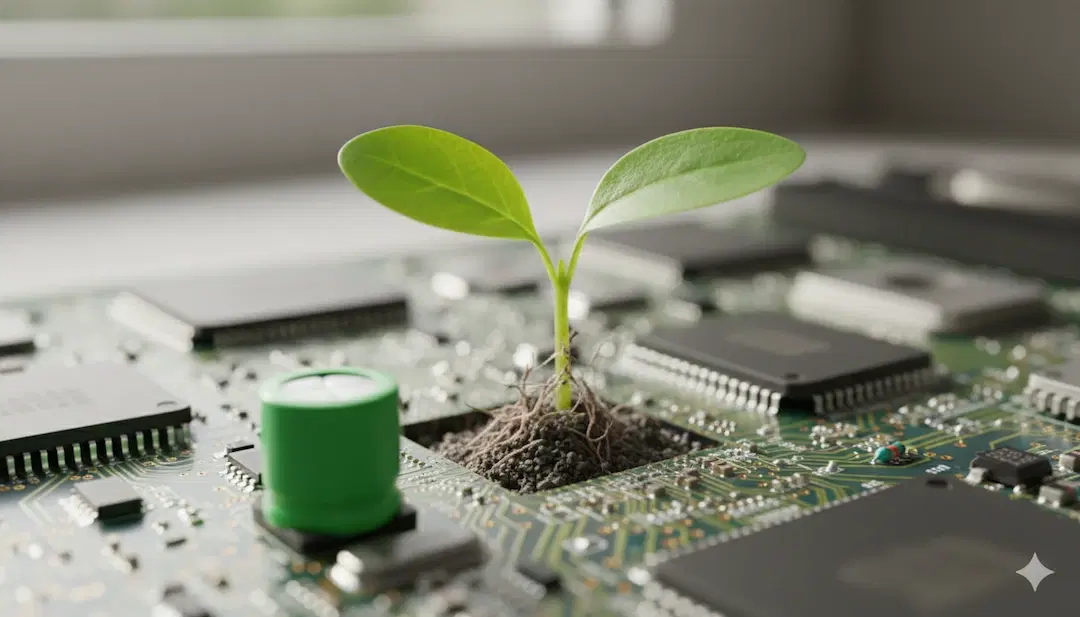

The landscape of software development is experiencing a seismic shift. Traditional coding methods that once required years of training and expertise are giving way to intuitive, AI-powered solutions. This transformation isn't just changing how we build applications—it's democratizing the entire development process. Today, anyone with an idea can become an app creator, regardless of their technical background. The emergence of sophisticated AI app builders is breaking down barriers and opening new possibilities for innovation across industries.
An AI app builder represents a revolutionary approach to software creation. Unlike traditional development tools that require extensive programming knowledge, these platforms use artificial intelligence to interpret natural language descriptions and transform them into functional applications. Think of it as having a conversation with a skilled developer who instantly understands your vision and brings it to life.
The core functionality revolves around several key components. Natural language processing enables the platform to understand your requirements when you describe what you want your app to do. Automated code generation then translates these descriptions into actual application logic. Visual interfaces provide drag-and-drop functionality for fine-tuning your creation. Machine learning algorithms continuously improve the platform's ability to generate better, more efficient applications.
What sets an artificial intelligence app maker apart from conventional development tools is its ability to bridge the gap between human creativity and technical implementation. Traditional development requires you to think like a computer. AI app builders allow you to think like a human while the AI handles the technical translation.
This shift from code-heavy to prompt-driven app creation is transforming entire industries. Marketing teams can now build customer engagement tools without waiting for development resources. HR departments can create employee wellness applications tailored to their specific needs. Small business owners can develop custom solutions that previously required significant investment in technical talent.
The current market offers a diverse range of AI app platforms, each with unique strengths and specializations. These platforms typically feature intuitive drag-and-drop interfaces that make app creation feel more like assembling building blocks than writing complex code. AI-powered customization engines analyze your requirements and suggest optimal layouts, features, and integrations.
Most modern AI app development tools offer multiple deployment options. You can publish web applications directly to the cloud, generate mobile apps for iOS and Android, or create desktop applications for various operating systems. The flexibility extends to integration capabilities, allowing your AI-generated apps to connect with existing business systems, databases, and third-party services.
Pricing models vary significantly across platforms. Many offer generous free tiers that allow you to experiment and build basic applications without any upfront investment. Premium tiers typically unlock advanced features like custom branding, enhanced security, priority support, and higher usage limits. This tiered approach makes AI app development accessible to individuals while providing the robust features enterprises require.
Mobile-first development has become increasingly important as smartphone usage continues to dominate digital interactions. Specialized AI mobile app builder platforms focus specifically on creating applications optimized for mobile devices. These tools understand the unique constraints and opportunities of mobile development, automatically optimizing user interfaces for touch interaction and varying screen sizes.
Cross-platform compatibility is a major advantage of AI-powered mobile development. Instead of building separate applications for iOS and Android, these platforms generate code that works seamlessly across both ecosystems. This approach significantly reduces development time and maintenance overhead while ensuring consistent user experiences across devices.

Performance optimization for AI-powered mobile applications involves sophisticated algorithms that analyze user interaction patterns and automatically adjust app behavior for optimal responsiveness. These systems can predict user needs and preload content, resulting in faster, more intuitive mobile experiences.
Successful AI application development begins with clear planning and requirement definition. Start by identifying your target users and understanding their specific needs, pain points, and preferences. This user-centric approach ensures your application will provide genuine value rather than just impressive technology.
Consider the type of AI functionality your application requires. Will it need natural language processing for chatbot features? Computer vision for image recognition? Predictive analytics for data insights? Understanding these requirements early helps you choose the right development platform and approach.
Data requirements deserve special attention in AI app planning. Most AI features require training data or real-time data feeds to function effectively. Identify what data your application will need, where it will come from, and how you'll ensure data quality and privacy compliance.
The process to build AI powered apps typically begins with describing your application in natural language. Modern AI app creators can interpret detailed descriptions and generate initial application structures automatically. The key is being specific about functionality while remaining flexible about implementation details.
Prompt engineering plays a crucial role in getting optimal results from AI app builders. Effective prompts include clear descriptions of user workflows, specific feature requirements, and examples of desired behaviors. The more context you provide, the better the AI can understand and implement your vision.
Iterative refinement is essential throughout the development process. AI-generated applications rarely emerge perfect on the first attempt. Plan for multiple rounds of testing, feedback collection, and refinement. Most platforms make it easy to modify and improve your application based on user feedback and changing requirements.
When you're ready to create AI app online, consider integration requirements early in the process. Your application may need to connect with existing databases, payment systems, or communication tools. Planning these integrations from the beginning prevents complications during deployment.
The emergence of agentic AI apps represents a fundamental shift toward autonomous, intelligent applications that can make decisions and take actions without constant human oversight. Unlike traditional applications that simply respond to user inputs, agentic AI systems can analyze situations, set goals, and execute complex workflows independently.
These intelligent agents excel in scenarios requiring continuous monitoring and response. Customer service applications can handle inquiries, escalate complex issues, and learn from each interaction to improve future responses. Personal assistant applications can manage schedules, prioritize tasks, and proactively suggest optimizations based on user patterns and preferences.
Building effective agentic AI applications requires careful consideration of decision-making boundaries and fail-safe mechanisms. While autonomy is valuable, users need confidence that the system will operate within acceptable parameters and escalate appropriately when facing unfamiliar situations.
The future implications for business automation are profound. Agentic AI apps can handle routine tasks, freeing human workers to focus on creative and strategic activities. They can operate continuously, providing 24/7 service capabilities that scale efficiently with demand.
Large organizations are leveraging AI app builders to address complex business challenges while reducing development costs and timeframes. Enterprise implementations often focus on internal tools that improve employee productivity, streamline workflows, and enhance decision-making capabilities.
Integration with existing business systems is crucial for enterprise success. Modern AI app platforms provide robust APIs and connectors that allow new applications to work seamlessly with established infrastructure. This integration capability enables organizations to enhance existing workflows rather than replacing entire systems.
Security and compliance considerations are paramount in enterprise environments. Leading AI app development platforms provide enterprise-grade security features, including data encryption, access controls, and audit trails. Compliance frameworks for industries like healthcare and finance are increasingly supported through specialized templates and automated compliance checking.
For smaller organizations, AI app builders offer unprecedented opportunities to compete with larger competitors through innovative technology solutions. Rapid prototyping capabilities allow startups to test ideas quickly and iterate based on market feedback without significant upfront investment.
Cost savings extend beyond initial development to ongoing maintenance and updates. Traditional custom software requires dedicated development resources for bug fixes and feature additions. AI app platforms often handle maintenance automatically and provide user-friendly interfaces for making updates.
Scaling strategies become more flexible when applications are built on AI platforms. As businesses grow, they can easily add features, increase capacity, and integrate additional systems without starting from scratch or hiring specialized development teams.
The integration of advanced language models like GPT is pushing AI app builders toward more sophisticated natural language interfaces. Future platforms will likely support voice-driven development, where you can literally speak your application into existence and refine it through conversation.
Computer vision capabilities are expanding rapidly, enabling AI app builders to create applications that can analyze images, recognize objects, and interpret visual data. This opens possibilities for applications in retail, healthcare, manufacturing, and countless other industries.
Market growth projections indicate explosive expansion in the AI app development space. As these tools become more sophisticated and accessible, we can expect to see AI-powered applications become the norm rather than the exception across all industries.
However, current limitations include performance constraints for highly complex applications and the need for human oversight in critical decision-making scenarios. Future developments will likely address these limitations while maintaining the accessibility that makes AI app builders so valuable.
Can I really build apps without any coding experience using an AI app builder?
Yes, modern AI app builders use natural language processing to convert your descriptions into functional applications, requiring no programming knowledge. The platforms handle all technical implementation while you focus on defining what you want your app to accomplish.
What types of apps can I create with AI app development tools?
You can build web applications, mobile apps, business tools, e-commerce platforms, and specialized AI-powered solutions across various industries. The versatility of these platforms supports everything from simple productivity tools to complex enterprise applications.
Are AI-generated apps suitable for commercial use?
Absolutely. Many businesses are successfully using AI-generated applications for customer service, internal operations, and revenue-generating services. The key is choosing the right platform and ensuring your application meets your specific business requirements.
How do AI app creators compare to traditional development in terms of performance?
While AI-generated apps may have some performance limitations for extremely complex applications, they excel in rapid development, cost-effectiveness, and ease of maintenance. For most business applications, the performance is more than adequate.
What's the difference between no-code and AI-powered app development?
No-code platforms require manual configuration and assembly of pre-built components. AI app builders can interpret natural language descriptions and automatically generate app structures and functionality, making the process even more accessible to non-technical users.