AI's Role in Transforming Team Collaboration Dynamics

The workplace has changed dramatically. Remote teams span continents. Hybrid models blur office boundaries. Traditional team building methods struggle to keep pace. Enter artificial intelligence—a game-changing force that's reshaping how teams connect, collaborate, and thrive together.
Modern organizations face unprecedented challenges in building cohesive teams. Geographic distance, cultural differences, and varying work schedules create barriers that old-school team building activities simply can't overcome. Team building with AI offers a revolutionary approach, using data-driven insights to create meaningful connections and optimize collaboration in ways never before possible.
Traditional team building relied on intuition and one-size-fits-all approaches. Trust falls and rope courses worked well for co-located teams, but they fall short in today's distributed workplace. Research shows that 87% of remote workers feel less connected to their colleagues, while 43% struggle with collaboration across time zones.
Artificial intelligence teamwork transforms this landscape by analyzing communication patterns, predicting collaboration challenges, and suggesting personalized interventions. Instead of guessing what might work, AI provides concrete data about team dynamics and recommends specific actions to improve collaboration.
The shift from reactive to predictive team management represents a fundamental change. Traditional methods addressed problems after they occurred. AI identifies potential issues before they impact performance, enabling proactive solutions that strengthen team bonds and enhance productivity.
Machine learning algorithms excel at recognizing patterns in team behavior. They analyze communication frequency, response times, and interaction quality to identify collaboration strengths and weaknesses. This technology can predict which team members work best together and suggest optimal project pairings.
Advanced systems track meeting participation, email sentiment, and project contribution patterns. They identify early warning signs of team dysfunction, such as decreased communication or uneven workload distribution. AI in team dynamics provides managers with actionable insights to address issues before they escalate.
Communication barriers often hinder team effectiveness. Natural language processing breaks down these barriers by analyzing tone, sentiment, and cultural communication styles. AI can detect when messages might be misunderstood and suggest clearer alternatives.
Real-time translation capabilities enable seamless collaboration across language barriers. Meeting transcription tools automatically capture action items and decisions, ensuring nothing falls through the cracks. These technologies make AI team collaboration more inclusive and effective for diverse teams.
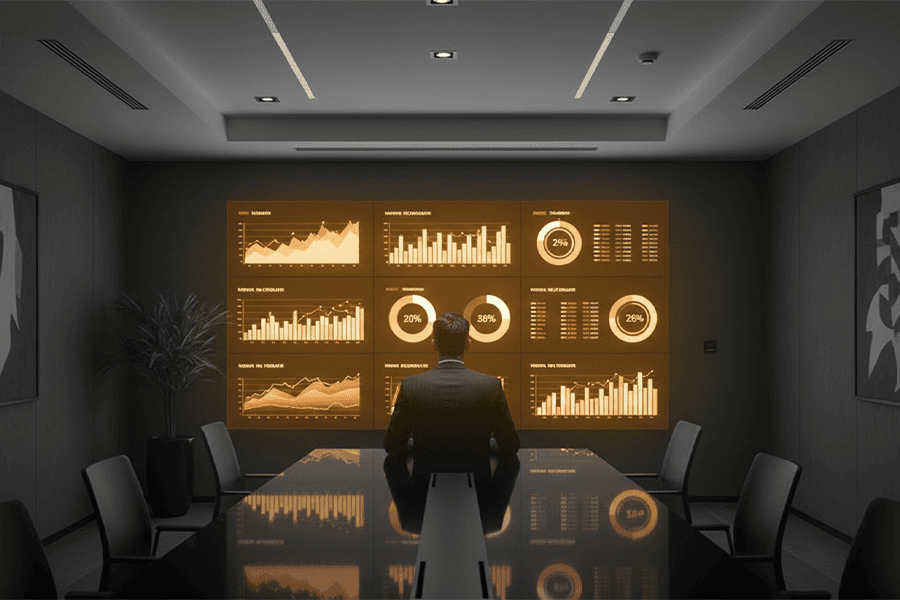
Predictive analytics transform team management from guesswork to science. By analyzing historical performance data, AI can forecast project outcomes, identify resource needs, and predict potential bottlenecks. This enables proactive planning and resource allocation.
Team performance AI systems track key metrics like task completion rates, collaboration frequency, and skill utilization. They identify high-performing team combinations and suggest ways to replicate success across other projects. This data-driven approach ensures teams consistently operate at peak efficiency.
Modern virtual team building AI platforms create engaging experiences that rival in-person activities. AI-driven personality assessments match team members with complementary working styles. Intelligent icebreakers adapt to individual preferences and cultural backgrounds.
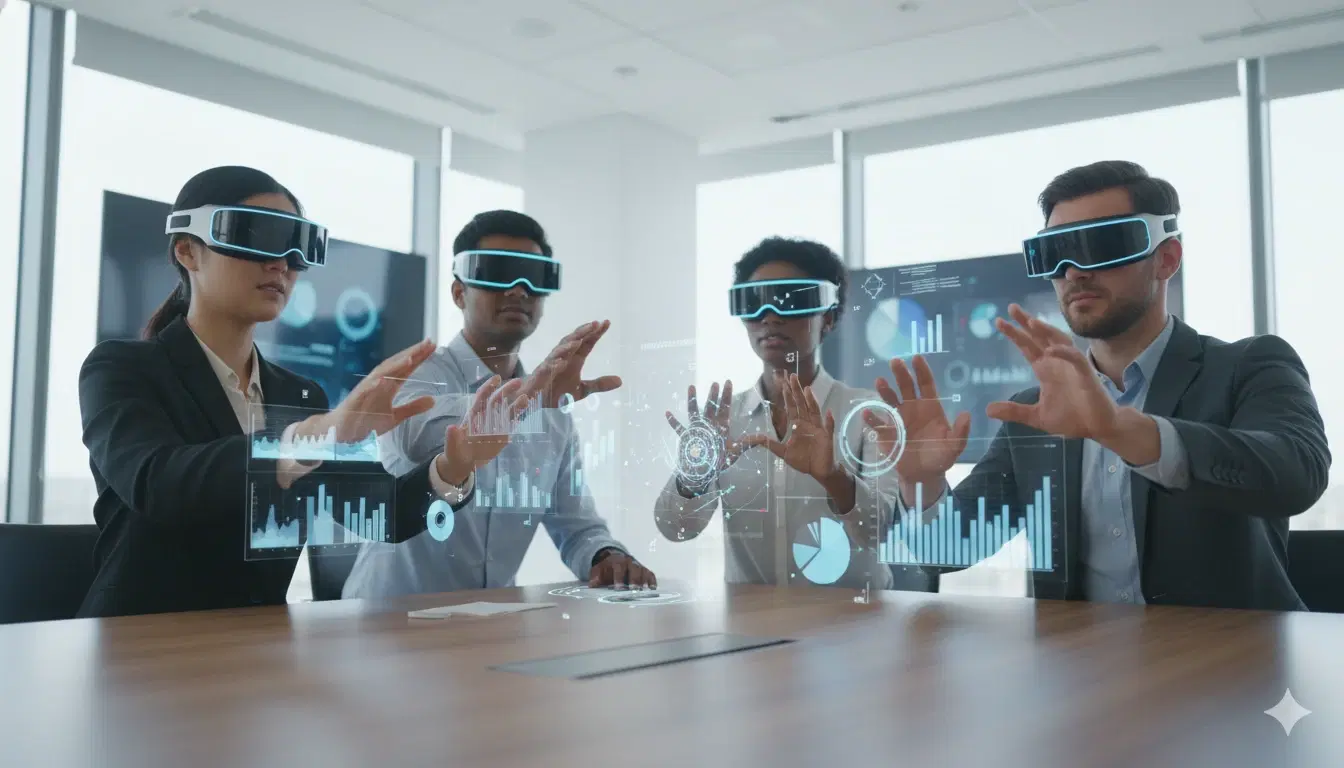
Virtual reality environments powered by AI create immersive team building experiences. These platforms simulate challenging scenarios that require collaboration, allowing teams to practice problem-solving in safe, controlled environments. The AI facilitator adjusts difficulty and provides real-time feedback to optimize learning outcomes.
AI project management tools revolutionize how teams organize and execute work. Intelligent task assignment considers individual strengths, current workload, and availability. Automated progress tracking identifies potential delays before they impact deadlines.
Risk assessment algorithms analyze project complexity, team experience, and historical data to predict challenges. They suggest mitigation strategies and resource adjustments to keep projects on track. This proactive approach reduces stress and improves team morale.
AI-powered communication tools eliminate scheduling conflicts and optimize meeting effectiveness. Smart schedulers consider time zones, personal preferences, and energy levels to find optimal meeting times. Automated follow-up systems ensure action items are completed and deadlines are met.
Integration platforms connect various collaboration tools, creating seamless workflows. AI analyzes usage patterns and suggests workflow improvements, reducing friction and increasing productivity. These tools make AI-powered team management more efficient and user-friendly.
AI for remote teams addresses unique challenges of distributed work. Digital team building activities use machine learning to create personalized experiences that engage remote workers. AI monitors participation levels and adjusts activities to maintain engagement.
Performance monitoring systems provide insights without micromanagement. They track productivity patterns and suggest optimal work schedules for individual team members. This approach respects autonomy while ensuring accountability and team cohesion.
Hybrid teams face complex collaboration challenges. AI ensures seamless integration between in-office and remote workers. Smart meeting systems automatically adjust audio and video settings to include remote participants effectively.
Inclusion algorithms monitor participation patterns and suggest interventions when remote workers are being overlooked. Time zone optimization tools find meeting times that work for global teams, ensuring everyone can contribute meaningfully to discussions.
Cultural intelligence AI helps global teams navigate communication differences. These systems analyze cultural communication styles and suggest approaches that resonate with diverse team members. Language adaptation tools ensure messages are understood across cultural contexts.
Time zone optimization becomes crucial for international collaboration. AI scheduling tools consider cultural preferences for meeting times and work-life balance expectations, creating more inclusive collaboration experiences.
Effective measurement drives continuous improvement. Team performance AI tracks collaboration efficiency metrics, including response times, meeting effectiveness, and project completion rates. Employee engagement scores provide insights into team satisfaction and motivation levels.
Data-driven optimization enables continuous improvement. AI identifies successful collaboration patterns and suggests ways to replicate them across different teams. Personalized development recommendations help individual team members improve their collaboration skills.
Team composition optimization uses historical data to suggest ideal team formations for specific project types. This ensures teams have the right mix of skills and personalities to succeed from the start.
The future of team building promises even more sophisticated AI capabilities. Augmented reality will create immersive collaboration experiences that blur the line between physical and digital interaction. Brain-computer interfaces may eventually enable direct thought sharing, revolutionizing team communication.
Quantum computing applications could analyze team dynamics with unprecedented complexity, identifying optimization opportunities that current systems cannot detect. These advances will make team collaboration more intuitive and effective than ever before.
However, ethical considerations remain paramount. Organizations must balance AI insights with privacy protection and bias prevention. Maintaining human connection in AI-enhanced environments requires careful implementation and ongoing attention to team well-being.
How does team building with AI improve remote work productivity?
AI enhances remote team productivity by analyzing communication patterns, predicting collaboration bottlenecks, and automatically optimizing workflows based on team performance data.
What are the best AI tools for virtual team building activities?
Leading AI-powered platforms include intelligent meeting facilitators, personality-based team matching systems, and virtual reality collaboration environments that adapt to team dynamics.
Can AI replace human managers in team building?
AI augments rather than replaces human leadership by providing data-driven insights, automating routine tasks, and identifying optimization opportunities while preserving essential human connections.
How much does implementing AI team collaboration tools cost?
Costs vary from $10-50 per user monthly for basic AI collaboration features to enterprise solutions starting at $100+ per user, with ROI typically achieved within 6-12 months.