
Autonomous Transactions: Redefining Business Efficiency
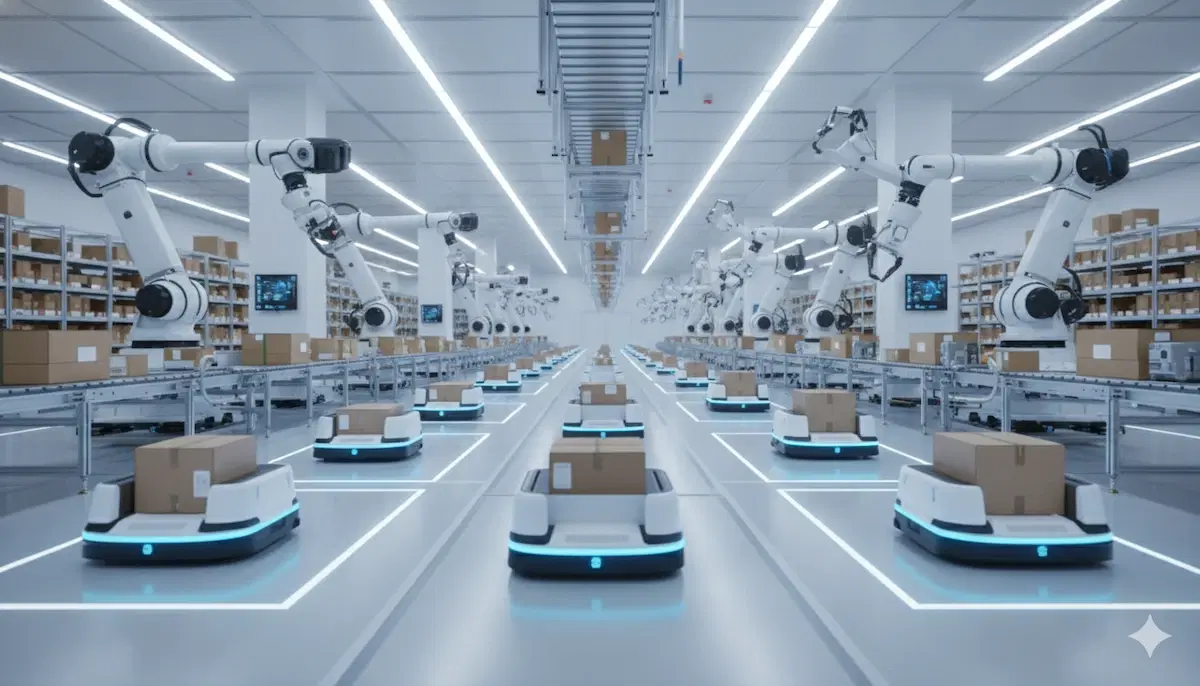
The business world is experiencing a fundamental shift in how transactions are processed, managed, and optimized. As organizations seek greater efficiency and reduced operational friction, understanding the distinction between autonomous and accommodating transactions has become crucial for strategic decision-making. These two transaction types represent different approaches to business operations, each serving unique purposes in creating streamlined, intelligent business processes.
Modern enterprises are discovering that the strategic implementation of both autonomous and accommodating transaction mechanisms can dramatically improve operational efficiency, reduce costs, and enhance customer experiences. This comprehensive understanding becomes even more critical as AI and automation technologies reshape how businesses handle their transaction flows.
Autonomous transactions represent business activities that are initiated independently, driven by profit motives and strategic objectives rather than external pressures or corrective measures. These transactions occur naturally within business operations and are motivated by the pursuit of economic gain, market opportunities, or operational necessities.
In the context of international business, autonomous transactions include exports, imports, foreign direct investments, and remittances. These activities are undertaken because they offer direct business value or profit potential. For domestic operations, autonomous transactions might include customer purchases, supplier payments, investment decisions, and strategic partnerships.
Key characteristics of autonomous transactions include:
The rise of self-service transactions and intelligent transactions has made autonomous transaction management more sophisticated. AI-powered systems can now identify opportunities, execute transactions, and optimize outcomes with minimal human intervention, making these processes more efficient and responsive to market dynamics.
Accommodating transactions serve a fundamentally different purpose in business operations. These transactions are designed to correct imbalances, address deficits, or restore equilibrium within business systems. Unlike autonomous transactions, accommodating transactions are reactive rather than proactive, responding to specific needs or gaps in the business ecosystem.
In international trade, accommodating transactions include central bank interventions, IMF borrowings, foreign exchange reserve adjustments, and external commercial borrowing. At the business level, these might include emergency funding, inventory adjustments, or corrective operational measures.
Essential features of accommodating transactions include:
Automated transactions and AI transaction management systems are increasingly being deployed to handle accommodating transactions more efficiently. These systems can detect imbalances in real-time and trigger appropriate corrective measures automatically, reducing response times and improving overall system stability.
Understanding the fundamental differences between these transaction types is crucial for effective business management and strategic planning. The distinctions go beyond simple definitions and impact how businesses approach their operational strategies.
Motivation and Purpose: Autonomous transactions are driven by profit motives and strategic opportunities, while accommodating transactions are motivated by the need to correct imbalances or address specific business challenges. This fundamental difference affects how businesses prioritize and resource these activities.
Independence vs. Dependency: Autonomous transactions operate independently based on business strategy and market conditions. Accommodating transactions, however, are dependent on other business activities and are triggered by specific needs or imbalances.
Timing and Frequency: Autonomous transactions typically follow planned schedules or respond to market opportunities. Accommodating transactions occur as needed, often with irregular timing based on when imbalances arise.
Risk Profiles: The risk characteristics of these transaction types differ significantly. Autonomous transactions carry market and operational risks associated with business strategy, while accommodating transactions carry risks related to timing, adequacy, and effectiveness of corrective measures.
Modern frictionless transactions systems are designed to handle both types efficiently, using AI and automation to optimize autonomous transactions while maintaining responsive accommodating mechanisms for when corrections are needed.
The practical application of autonomous and accommodating transaction principles extends across various industries and business functions. Companies that effectively leverage both types create more resilient and efficient operational frameworks.
In e-commerce, autonomous transactions include customer purchases, inventory procurement, and marketing investments. These are driven by business strategy and profit objectives. Accommodating transactions might include inventory adjustments, refund processing, or emergency supplier arrangements to address unexpected demand fluctuations.
Manufacturing companies utilize autonomous transactions for raw material purchases, equipment investments, and product sales. Their accommodating transactions often involve supply chain adjustments, quality control measures, and production balancing activities.
Smart transactions and adaptive transactions technologies enable businesses to optimize both types more effectively. These systems can predict when accommodating transactions might be needed and prepare appropriate responses, while also identifying new opportunities for profitable autonomous transactions.
The integration of personalized transactions capabilities allows businesses to tailor both autonomous and accommodating transaction approaches to specific customer needs and market conditions, improving overall effectiveness and customer satisfaction.
Successful implementation of autonomous and accommodating transaction strategies requires careful planning, appropriate technology infrastructure, and clear operational procedures. Organizations must develop frameworks that support both transaction types while maintaining efficiency and control.
For autonomous transactions, businesses should focus on:
For accommodating transactions, key implementation elements include:
The integration of AI and machine learning technologies enables more sophisticated transaction management, allowing businesses to optimize both autonomous and accommodating transaction flows simultaneously. This creates more resilient and efficient operational frameworks that can adapt to changing business conditions.
The future of transaction management lies in the convergence of AI, blockchain, and real-time analytics technologies. These innovations are creating new possibilities for both autonomous and accommodating transaction optimization.
Artificial intelligence is enabling more sophisticated autonomous transaction systems that can identify opportunities, assess risks, and execute transactions with minimal human intervention. Machine learning algorithms are becoming better at predicting market conditions and optimizing transaction timing for maximum benefit.
For accommodating transactions, AI systems are developing predictive capabilities that can anticipate imbalances before they occur, enabling proactive rather than reactive responses. This shift from reactive to predictive accommodating transactions represents a significant advancement in business efficiency.
Blockchain technology is introducing new possibilities for transparent, secure, and automated transaction processing. Smart contracts can execute both autonomous and accommodating transactions based on predefined conditions, reducing the need for manual intervention and improving transaction speed and reliability.
The integration of Internet of Things (IoT) devices is creating new data sources for transaction optimization, enabling more responsive and intelligent transaction management systems that can adapt to real-world conditions in real-time.
What is the difference between autonomous and accommodating transactions?
Autonomous transactions are independent business activities driven by profit motives and strategic objectives, such as exports, imports, and investments. Accommodating transactions are corrective measures designed to address imbalances or deficits, such as central bank interventions or emergency funding arrangements. The key difference lies in their motivation: autonomous transactions seek profit opportunities, while accommodating transactions restore balance.
What is an example of autonomous transaction in business?
Common examples include customer purchases in e-commerce, foreign direct investments by multinational companies, export sales to international markets, and strategic acquisitions. These transactions are initiated independently based on business strategy and profit potential, not as responses to specific imbalances or external pressures.
What is an example of an accommodating transaction?
Examples include central bank foreign exchange interventions to stabilize currency rates, IMF borrowings to address balance of payments deficits, emergency inventory purchases to meet unexpected demand, and corrective financial measures to address cash flow imbalances. These transactions occur specifically to correct existing problems or imbalances.
What are autonomous items in BoP and their business relevance?
Autonomous items in Balance of Payments are transactions recorded "above the line" that occur independently for profit or strategic reasons. They include trade flows, investment flows, and service transactions. For businesses, understanding these items helps in strategic planning, risk assessment, and identifying market opportunities in international operations.
How do autonomous and accommodating transactions affect business efficiency?
Autonomous transactions drive revenue generation and strategic growth, directly contributing to business efficiency through profit creation and market expansion. Accommodating transactions maintain operational stability and prevent disruptions, indirectly supporting efficiency by ensuring smooth business operations. Both types are essential for optimal business performance.
What role does technology play in modern autonomous transactions?
Technology enables automated identification of profitable opportunities, real-time market analysis, automated execution of transactions, and intelligent risk management. AI and machine learning systems can process vast amounts of data to optimize timing, pricing, and execution of autonomous transactions, significantly improving their effectiveness and profitability.
How can businesses implement accommodating transaction mechanisms?
Businesses should establish real-time monitoring systems to detect imbalances, create automated response protocols for common scenarios, develop escalation procedures for complex situations, and maintain reserve resources for emergency corrections. Technology platforms can automate much of this process, ensuring rapid and effective responses to operational imbalances.
What are the risks associated with autonomous vs accommodating transactions?
Autonomous transactions carry market risks, competitive risks, and strategic execution risks related to profit-seeking activities. Accommodating transactions face timing risks, adequacy risks, and effectiveness risks related to corrective measures. Both require appropriate risk management frameworks, but with different focus areas and mitigation strategies.